


The World's Best Gastronomy Routes
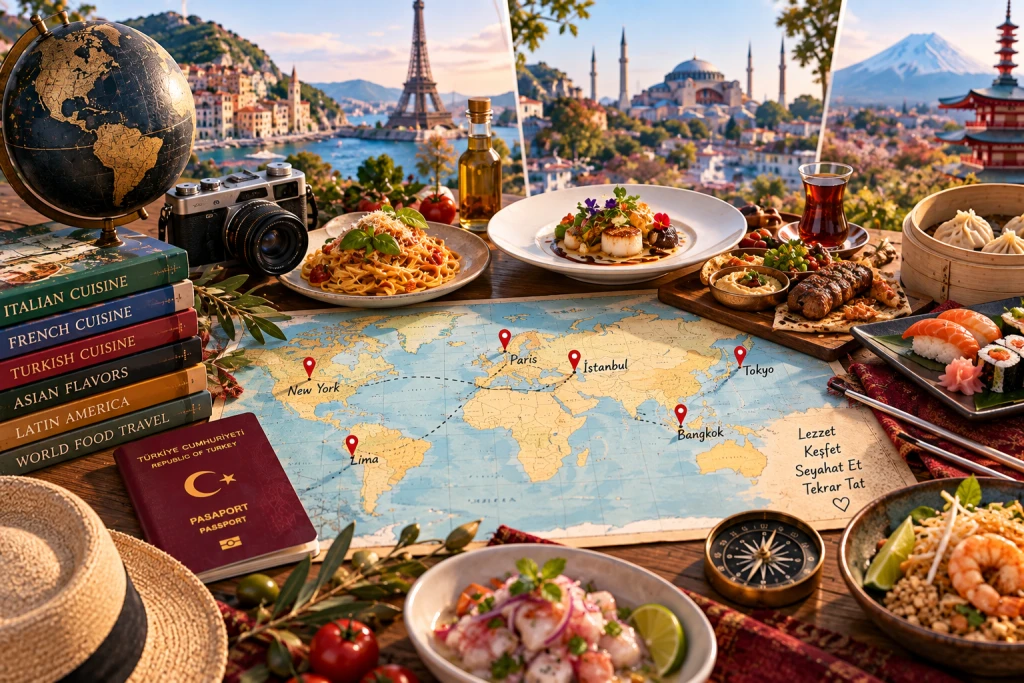
The World's Best Gastronomy Routes | 2026 Gourmet Travel Guide
One of the best ways to get to know a city is through its cuisine.
Sometimes, a hot meal eaten in a narrow street, sometimes a new taste discovered at a local market, and sometimes a wine tasting among vineyards can tell you much more about a destination's history and culture than museums.
That is why in recent years gastronomy tourism has become one of the most eye-catching areas in the world of travel. Travelers now want not only to see historical structures and natural beauties but also to taste local dishes, meet producers, visit markets, and experience traditional culinary cultures in their destinations.
UNESCO also emphasizes that food culture is not just about meals; production, preparation, sharing, and consumption methods are an important part of societies' cultural heritage.
So, which are the world's best gastronomy routes?
In this guide, you can find must-visit gastronomy routes from Italy to Japan, from Spain to Thailand, from Peru to Turkey.
What Is a Gastronomy Route?
A gastronomy route is a travel itinerary created to explore the food culture of a region or country.
On these routes, there are not only restaurants but also:
- Local markets
- Street food
- Traditional restaurants
- Chef restaurants
- Vineyards and wineries
- Olive oil producers
- Cheese producers
- Coffee farms
- Chocolate workshops
- Cooking classes
- Local festivals
- Farms
- Fishing villages
offering different experiences.
Therefore, gastronomy tourism is not just about "eating good food", but discovering a destination's culture through its cuisine.
Top 15 Gastronomy Routes in the World
The following routes consist of standout destinations that offer diverse culinary cultures, local products, and gastronomic experiences together.
1. Italy – Rome, Bologna, Florence, and Naples Gastronomy Route
Italy is one of the first countries that come to mind when gastronomy tourism is mentioned.
However, rather than evaluating Italian cuisine as a single cuisine, it would be more correct to view it as a sum of regional cuisines.
Must-try items:
- Napoli pizza
- Bologna ragù
- Fresh pasta
- Risotto
- Gelato
- Tiramisu
- Parmigiano Reggiano
- Balsamic vinegar
- Italian wines
Ideal route:
Rome → Florence → Bologna → Parma → Naples
In particular, Bologna and the Emilia-Romagna region stand out with its strong gastronomic traditions ranging from pasta and cheese to charcuterie.
2. Japan – Tokyo, Kyoto, and Osaka Gastronomy Route
Japan is one of the world's most important gastronomy destinations, bringing together traditional culinary culture and modern gastronomy.
Tastes to try:
- Sushi
- Ramen
- Tempura
- Yakitori
- Takoyaki
- Okonomiyaki
- Wagyu
- Matcha desserts
Ideal route:
Tokyo → Kyoto → Osaka
You can discover modern restaurants and markets in Tokyo, experience traditional Japanese cuisine in Kyoto, and chase after street foods in Osaka.
3. Spain – Barcelona, San Sebastián, and the Basque Region
Spain is one of the favorite routes for gastronomy enthusiasts, especially thanks to its tapas and pintxos culture.
Standout flavors:
- Tapas
- Pintxos
- Paella
- Jamón
- Española tortilla
- Churros
- Seafood
- Spanish wines
Ideal route:
Barcelona → Rioja → San Sebastián → Bilbao
In particular, the Basque Region is one of the important regions where traditional cuisine and modern gastronomy can be seen together.
4. France – Paris, Lyon, and Bordeaux Gastronomy Route
France is one of the most important centers of world gastronomic culture.
When Paris's restaurants, Lyon's traditional cuisine, and Bordeaux's vineyards come together, a very strong gastronomy route emerges.
Must-try items:
- Croissant
- Baguette
- Cheese varieties
- Onion soup
- Coq au vin
- Ratatouille
- Macaron
- French wines
Ideal route:
Paris → Lyon → Bordeaux
This route is a very good option for those who want to combine food culture with wine and gastronomic heritage.
5. Turkey – Istanbul, Gaziantep, Şanlıurfa, and Aegean Gastronomy Route
Turkey is one of the richest countries in the world in terms of gastronomy.
Different regions of Anatolia carry the influences of Central Asia, the Balkans, the Caucasus, the Mediterranean, Mesopotamia, and Ottoman culinary cultures, possessing a very diverse gastronomic heritage.
Ideal Turkish gastronomy route:
Istanbul → Bursa → Gaziantep → Şanlıurfa → Mardin → İzmir → Alaçatı → Ayvalık
Must-try items:
- Gaziantep baklava
- Kebab
- Lahmacun
- Katmer
- İçli köfte (stuffed meatballs)
- Künefe
- Meze (appetizers)
- Dish with olive oil
- Aegean herbs
- Turkish coffee
UNESCO evaluates Gaziantep within its Creative Cities Network in the field of gastronomy, while Turkey's Turkish coffee culture is included under intangible cultural heritage.
6. Greece – Athens, Crete, and the Aegean Islands
Among Greek gastronomy routes, it is one of the destinations that particularly attracts the interest of those who love Mediterranean cuisine.
In 2026, Crete was highlighted by National Geographic as one of the top gastronomy destinations. The island stands out with its olive oil, vegetables, legumes, cheeses, honey, and local wines.
Must-try items:
- Moussaka
- Souvlaki
- Tzatziki
- Greek salad
- Seafood
- Meze
- Feta cheese
- Olive oil
- Cretan herbs
Ideal route:
Athens → Crete → Santorini → Rhodes
7. Thailand – Bangkok and Chiang Mai Gastronomy Route
Thailand is one of the world's most eye-catching gastronomy destinations, especially regarding street food.
In Bangkok, night markets and street stalls can be explored, while in Chiang Mai, Northern Thai cuisine can be discovered.
Tastes to try:
- Pad Thai
- Tom Yum
- Green Curry
- Mango Sticky Rice
- Khao Soi
- Som Tam
- Satay
Thailand's traditional Tomyum Kung food culture is also one of the gastronomy-related traditions included in the UNESCO Intangible Cultural Heritage List.
8. Peru – Lima and Cusco Gastronomy Route
Peru is one of the most eye-catching gastronomy destinations in Latin America.
In particular, Lima brings together modern restaurants with Peru's traditional culinary culture.
Must-try items:
- Ceviche
- Lomo saltado
- Anticuchos
- Causa
- Ají de gallina
- Peruvian coffee
- Pisco
Ideal route:
Lima → Arequipa → Cusco → Sacred Valley
9. Mexico – Mexico City and Oaxaca Gastronomy Route
Mexican cuisine has a very rich gastronomic culture built on corn, beans, peppers, cocoa, and various local products.
Must-try items:
- Tacos
- Tamales
- Mole
- Quesadillas
- Enchiladas
- Guacamole
- Churros
- Mezcal
Ideal route:
Mexico City → Puebla → Oaxaca
In particular, Oaxaca is a strong stop for gastronomy enthusiasts with its traditional markets, mole varieties, and local products.
10. Vietnam – Hanoi, Ho Chi Minh City, and Da Nang
Vietnamese cuisine stands out with fresh vegetables, herbs, rice, seafood, and aromatic sauces.
Must-try items:
- Pho
- Banh Mi
- Bun Cha
- Goi Cuon
- Cao Lau
- Vietnamese coffee
- Seafood
Vietnam's coffee culture can also be discovered along with production experiences and coffee farms in regions like Buon Ma Thuot. In National Geographic's 2026 gastronomy selection, the region's coffee culture is also highlighted.
11. Portugal – Lisbon and Porto Gastronomy Route
Portugal particularly attracts the interest of gastronomy enthusiasts with its seafood, wine, and pastries.
Tastes to try:
- Bacalhau
- Pastel de nata
- Sardines
- Francesinha
- Seafood
- Port wine
- Ginjinha
Ideal route:
Lisbon → Sintra → Coimbra → Porto → Douro Valley
12. Morocco – Marrakech and Fes Gastronomy Route
Moroccan cuisine offers a different gastronomic experience with the heavy use of spices and the influences of North African and Mediterranean cuisines.
Must-try items:
- Tajine
- Couscous
- Pastilla
- Harira
- Fresh mint tea
- Olive
- Date
- Moroccan sweets
Ideal route:
Marrakech → Fes → Meknes → Chefchaouen
13. India – Delhi, Jaipur, and Lucknow Gastronomy Route
In India, gastronomy can be a trip in itself.
Spices, regional dishes, street tastes, and traditional cooking methods make the country's gastronomy extremely diverse.
In particular, Lucknow began to attract the attention of gastronomy enthusiasts even more after being recognized as a UNESCO Creative City of Gastronomy in late 2025.
Must-try items:
- Biryani
- Butter chicken
- Samosa
- Tandoori
- Naan
- Kebab
- Masala chai
- Gulab jamun
Ideal route:
Delhi → Agra → Jaipur → Lucknow
14. Georgia – Tbilisi and Kakheti Wine Route
Georgia is one of the destinations that has recently entered the radar of gastronomy travelers, especially with its wine culture and traditional dishes.
Must-try items:
- Khachapuri
- Khinkali
- Lobio
- Badrijani
- Churchkhela
- Georgian wines
Ideal route:
Tbilisi → Mtskheta → Kakheti → Sighnaghi
Visiting vineyards and tasting wine is one of the most enjoyable experiences of the Georgian gastronomy route.
15. South Africa – Cape Town and Stellenbosch Gastronomy Route
Cape Town stands out as a gastronomic city where different cultures of Africa converge.
Tastes to try:
- Bobotie
- Braai
- Cape Malay dishes
- Seafood
- Biltong
- Local wines
Ideal route:
Cape Town → Stellenbosch → Franschhoek
In particular, wine routes, wine tastings, and restaurant experiences are important parts of a gastronomy trip.
What Should Be Considered When Planning a Gastronomy Route?
A good gastronomy trip does not start with just preparing a restaurant list.
1. Choose Your Travel Dates Correctly
Some products may be better during certain seasons.
For example:
- Grape harvest
- Olive harvest
- Truffle season
- Seafood season
- Local festivals
can directly affect your travel experience.
2. Definitely Include Local Markets
Instead of visiting only restaurants on a gastronomy trip, visiting local markets can offer a much different experience.
In markets:
- Local vegetables and fruits
- Cheeses
- Spices
- Charcuterie products
- Street food
- Sweets
- Local drinks
can be discovered.
3. Do Not Overlook Street Food
One of the best ways to understand a country's food culture is sometimes not luxury restaurants, but local street tastes.
In particular, street food is an important part of gastronomy culture in Asia and Latin America.
4. Join a Cooking Class
If you want to make your gastronomy trip more memorable, you can join local cooking classes.
For example:
- Pasta making in Italy
- Sushi training in Japan
- Curry making in Thailand
- Baklava or meze workshop in Turkey
- Tortilla making in Mexico
experiences like these can add a different dimension to the trip.
Why Is Gastronomy Tourism So Popular?
Gastronomy is no longer just a complementary part of travel; for many travelers, it has become one of the main motivations for traveling.
Because food;
- Introduces culture.
- Facilitates communication with local people.
- Gives clues about history.
- Supports local producers.
- Allows discovery of regional products.
- Makes the trip more personal.
UNESCO also states that gastronomy and food cultures are related to local identity, social bonds, sustainable local products, and economic development.
Do You Have to Visit Only Michelin Restaurants on a Gastronomy Vacation?
No.
To create a good gastronomy route, it is not necessary to go to expensive restaurants.
In fact, in some cities, the best experiences;
- In neighborhood restaurants,
- At street stalls,
- In local markets,
- In family businesses,
- In bakeries,
- In small cafes
may appear before you.
The purpose of a gastronomy trip is not just to eat expensive food, but to discover the destination's real culinary culture.
Accommodation Choices on Gastronomy Routes
In a gastronomy-focused vacation, the hotel's location is also important.
When choosing accommodation:
- Proximity to the city center,
- Access to local markets,
- Proximity to restaurants,
- Public transportation,
- Airport access,
- Safety of the region
evaluate these criteria.
In wine regions, instead of hotels in the city center, winery hotels, boutique hotels, or rural accommodations options can make the gastronomy experience more special.
Best Types of Travel for Gastronomy Around the World
Gastronomy vacations can be combined with different travel concepts.
🍷 Wine Tours
Italy, France, Portugal, Georgia, and South Africa.
🫒 Olive Oil Routes
Turkey, Greece, Italy, and Spain.
🧀 Cheese Routes
France, Italy, and Switzerland.
☕ Coffee Routes
Vietnam, Colombia, Ethiopia, and Brazil.
🍫 Chocolate Routes
Belgium, Switzerland, and France.
🥘 Street Flavors
Thailand, Vietnam, Mexico, and Turkey.
🐟 Seafood Routes
Portugal, Spain, Greece, Japan, and Turkey.
How to Prepare the Best Route for a Gastronomy Vacation?
You can use the following method to prepare your own gastronomy route:
1. Choose the destination.
↓
2. Identify 5-10 special dishes of the region.
↓
3. Research local markets.
↓
4. List traditional restaurants.
↓
5. Add a gastronomy experience.
↓
6. Plan a visit to a local producer or farm.
↓
7. Add wine/olive oil/coffee tasting.
↓
8. Choose accommodation according to gastronomy regions.
↓
9. Arrange restaurants and activities requiring reservations in advance.
In this way, you can transform a classic city tour into a personalized gastronomy vacation.
The World's Best Gastronomy Routes
One of the best ways to explore the world is through tables.
Pasta and wine in Italy, sushi and ramen in Japan, tapas in Spain, street food in Thailand, ceviche in Peru, kebab and baklava in Turkey, olive oil dishes and seafood in Greece...
Every destination tells its own history and culture with a different flavor.
In 2026, the emergence of regions of different scales such as Crete, Lucknow, and Bozcaada among the eye-catching destinations of gastronomy trips also shows that gastronomy tourism is not limited to large cities.
Plan your next vacation not just with the question "Where am I going?" but with "What will I eat there?"
Set your vacation date → choose your gastronomy route → compare flight and accommodation options → plan your restaurant and gastronomy experiences → create your delicious trip now.