+90 5423470379
Call us
info@mytouristik.com
English
TRY
Home
Foreign Tours
Domestic Tours
Greek Islands
Cruise Tours
Visa Consultancy
Contact
+90 5423470379
English
TRY
Home
Foreign Tours
Domestic Tours
Greek Islands
Cruise Tours
Visa Consultancy
Contact
Quick Access
Personal Data Consent Form
About Us
Privacy Policy
Cookie Policy
Preliminary Information Form
Legal Notice
Website Terms of Use
Reservation and Sales Conditions
Social Media
English
TRY
Call us
WhatsApp
Choose Language
Türkçe
Русский
Español
Deutsch
Română
Choose Currency
USD
EUR
Home
Blog
Culture and History Guide
Categories
Cappadocia Guide
Greek Islands Guide
Cruise Tours Guide | Cruise Ships, Routes and Travel Tips
Visa Consulting Guide | Schengen, UK, USA, and Visa Applications
Gastronomy Guide | Flavor Routes from Around the World and Turkey
Travel Guide
Travel Tips
Domestic Travel Guide | Turkey's Most Beautiful Routes
International Travel Guide
Culture and History Guide
Nature and Adventure Guide
Hotel and Accommodation Guide
Sea and Beach Guide
Economic Vacation Guide | Affordable Travel Tips
Festival and Event Guide | Special Routes from Turkey and Around the World
Vacation Guide | The Best Holiday Routes by Season
Honeymoon and Romantic Vacation Guide | Special Routes for Couples
Family Vacation Guide | Travel and Holiday Tips with Children
Transportation Guide | Plane, Ferry, and Travel Planning
Culture and History Guide
10 Blog Found
Close by Date
Far by Date
05-09-2026
Culture and History Guide
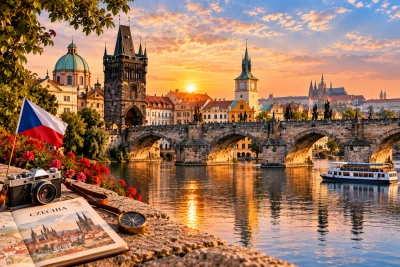
Medieval Cities of the Czech Republic: Fairy-Tale Historical Routes
Read more
04-09-2026
Culture and History Guide
Weekend Getaway Suggestions for Historic Cities
Read more
04-09-2026
Culture and History Guide
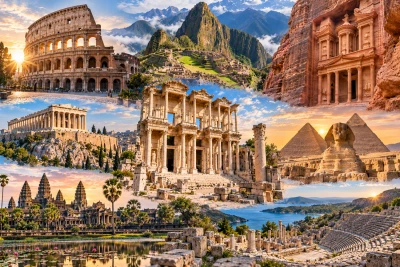
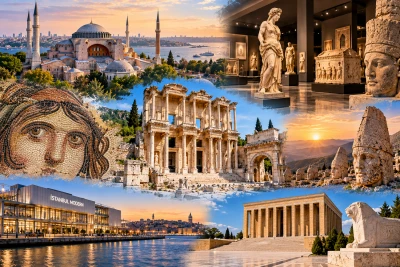
The Most Impressive Ancient Cities of the World
Read more
04-09-2026
Culture and History Guide
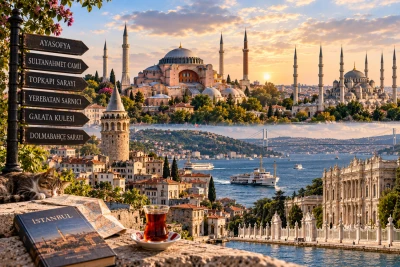
30 Must-See Historical Sites in Istanbul Istanbul, with its unique position connecting two continents, its thousands of years of history, and its historic structures left by various civilizations, is one of Turkey's most important cultural tourism destinations. As the capital of both the Byzantine and Ottoman Empires, the city houses numerous significant monuments ranging from palaces and mosques to churches, cisterns, city walls, and historic bazaars. The Historic Areas of Istanbul were inscribed on the UNESCO World Heritage List in 1985. The UNESCO site comprises four main sections: the Sultanahmet Archaeological Park, the Süleymaniye area, the Zeyrek area, and the land walls of Istanbul. So, what are the must-see historical sites in Istanbul? Here are 30 historical places that those eager to explore Istanbul's history should discover. 1. Hagia Sophia One of Istanbul's most important historical structures, Hagia Sophia stands among the city's iconic landmarks. Having witnessed different religious and political eras over centuries, it remains one of the key stops on any Istanbul tour due to its architecture, grand dome, and rich historical legacy. When visiting Hagia Sophia, you can also include Sultanahmet Square, the Basilica Cistern, and Topkapi Palace on the same route. Highlights: Byzantine and Ottoman history, architecture, and religious heritage. 2. Topkapi Palace Once the long-term administrative center of the Ottoman Empire, Topkapi Palace is one of Istanbul's most significant historical structures. The palace complex features multiple courtyards, historic buildings, collections, and the Harem section. For those curious about Ottoman palace life, Topkapi Palace is an essential visit. It is also a key component of Istanbul's UNESCO-listed historic areas. Highlights: Ottoman history and palace culture. 3. Sultanahmet Mosque (Blue Mosque) Located in Sultanahmet Square, the Sultanahmet Mosque is one of Istanbul's most recognizable religious buildings. With its architecture, domes, interior decorations, and six minarets, it forms an integral part of Istanbul's skyline. You can plan your mosque visit alongside tours of Hagia Sophia, the Hippodrome, and the Basilica Cistern. Highlights: Ottoman architecture. 4. Basilica Cistern One of Istanbul's most impressive historical structures, the Basilica Cistern draws attention with its magnificent underground architecture. The atmospheric effect created by hundreds of columns sets it apart from other historic sites in the city. It is a must-visit for first-time visitors exploring the Sultanahmet district. Highlights: Byzantine era, underground architecture, and cistern systems. 5. Istanbul Archaeology Museums The Istanbul Archaeology Museums offer the opportunity to view numerous artifacts from different periods and civilizations under one roof. The Archaeology Museum, the Museum of Ancient Orient, and the collections around the Çinili Köşk help visitors understand Istanbul's history from a broader perspective. The museum can be easily visited together with Topkapi Palace and Gülhane Park. Highlights: Archaeology and world civilizations. 6. Süleymaniye Mosque Designed by the renowned architect Mimar Sinan, the Süleymaniye Mosque is one of the structures defining Istanbul's historic skyline. Offering views of the Golden Horn and the Bosphorus, it should be explored alongside the surrounding historic neighborhoods and külliye (complex). UNESCO recognizes the Süleymaniye area as one of the four components of Istanbul's Historic Areas. Highlights: Mimar Sinan and Ottoman architecture. 7. Grand Bazaar Known as one of the oldest and largest covered markets in the world, the Grand Bazaar is a key stop for those wishing to explore Istanbul's commercial history. Within the bazaar, you can find traditional handicrafts, jewelry, carpets, leather goods, and various souvenir options. Due to its historic atmosphere, it is worth visiting not only for shopping but also to experience Istanbul's past. Highlights: Ottoman trade culture. 8. Spice Bazaar Located in Eminönü, the Spice Bazaar is one of Istanbul's historic shopping destinations. Spices, Turkish delight, nuts, traditional products, and souvenirs are among its standout offerings. You can combine your visit to the Spice Bazaar with the New Mosque and the surrounding Eminönü area. Highlights: Bazaar culture dating back to the Ottoman period. 9. Galata Tower One of the most recognizable symbols of the Beyoğlu and Galata districts, the Galata Tower is a popular spot for those seeking panoramic views of Istanbul. The tower can be explored along with the historic streets, buildings, and cafes of the Galata neighborhood. It frequently appears in searches for top historical sites and places to visit in Istanbul. Highlights: Galata history and Istanbul views. 10. Dolmabahçe Palace Situated on the shores of the Bosphorus, Dolmabahçe Palace is a historically significant structure for understanding the final period of the Ottoman Empire. Its European-influenced architecture, spacious halls, and location overlooking the Bosphorus make it particularly striking. You can start your Beşiktaş tour at Dolmabahçe Palace and continue along the Ortaköy and Bosphorus route. Highlights: The late Ottoman period and palace architecture. 11. Rumeli Fortress Built during the reign of Mehmed II to strengthen control over the Bosphorus prior to the conquest of Istanbul, Rumeli Fortress is one of the city's most important historic castles. Its location on the Bosphorus shore allows visitors to experience both history and stunning views simultaneously. It is especially recommended for those interested in the history of Istanbul's conquest. Highlights: The conquest of Istanbul and Ottoman military architecture. 12. Kariye Mosque (Chora Church) Located near Istanbul's historic land walls, Kariye is a significant structure known for its Byzantine-era mosaics and frescoes. Its historical background holds special importance for those seeking to understand Istanbul's Byzantine heritage. In UNESCO's description of Istanbul's Historic Areas, the former Chora Church is highlighted as a key element of historical heritage due to its 14th- and 15th-century mosaics and paintings. Highlights: Byzantine art and religious architecture. 13. Theodosian Walls (Istanbul Land Walls) The historic land walls of Istanbul are among the most important elements of the city's ancient defense system. Sections near Topkapi, Edirnekapı, and their surroundings offer a unique perspective on Istanbul's historic fabric. The land walls and their surrounding historic area constitute one of the four components of Istanbul's UNESCO World Heritage Site. Highlights: Byzantine and Ottoman defensive history. 14. Hippodrome – Sultanahmet Square The area now known as Sultanahmet Square was once the site of the Constantinople Hippodrome during the Byzantine era. The Hippodrome served as a central venue for chariot races, ceremonies, and major public events during the imperial period. Today, historic columns and monuments can still be seen in the area. UNESCO also lists the Constantinople Hippodrome as a key historical element within Istanbul's Historic Areas. Highlights: Byzantine history and ancient Istanbul. 15. Column of Constantine (Çemberlitaş Sütunu) Located between Sultanahmet and the Grand Bazaar, the Column of Constantine is one of Istanbul's most important monuments surviving from the Roman period. Easily visible while walking through the historic peninsula, it serves as a reminder of Istanbul's Roman past. Highlights: Roman era and ancient Istanbul. 16. Aya Irini (St. Irene) Situated near Topkapi Palace, Aya Irini is one of Istanbul's significant religious structures from the Byzantine era. Used for various purposes throughout its history, the building stands out for its architectural atmosphere and historical legacy. It can be visited on the same day as Topkapi Palace and the Istanbul Archaeology Museums. Highlights: Byzantine architecture and history. 17. Küçük Ayasofya (Little Hagia Sophia) Originally built as the Church of Saints Sergius and Bacchus during the Byzantine era, this structure is among Istanbul's important historical monuments. Later converted into a mosque, it bears traces of both Byzantine and Ottoman periods. UNESCO lists Küçük Ayasofya as one of the key structures within Istanbul's Historic Areas. Highlights: Byzantine architecture and the Ottoman period. 18. Zeyrek Mosque Located in the Zeyrek district of Fatih, this building represents a transformation of part of the Pantokrator Monastery from the Byzantine era. Zeyrek is one of Istanbul's important historic areas offering the chance to witness different periods in the same location. The Zeyrek Mosque and its surroundings form one of the components of Istanbul's UNESCO heritage site. Highlights: Byzantine and Ottoman heritage. 19. Fatih Mosque and Complex Commissioned by Mehmed II after the conquest of Istanbul, the Fatih Mosque and its külliye (complex) are among Istanbul's significant Ottoman works. The mosque, madrasa, tomb, and other complex structures should be viewed together. The Fatih district itself constitutes a dedicated cultural route for those wishing to explore the Ottoman period on the historic peninsula. Highlights: Ottoman history and külliye architecture. 20. Şehzade Mosque One of Mimar Sinan's important works in Istanbul, the Şehzade Mosque is notable for illustrating the development of classical Ottoman architecture. When compared with the Süleymaniye Mosque, it offers deeper insight into Sinan's architectural evolution. Highlights: Mimar Sinan and classical Ottoman architecture. 21. Sokullu Mehmet Pasha Mosque Located near Küçük Ayasofya, the Sokullu Mehmet Pasha Mosque is among Mimar Sinan's significant works. Known for its interior architectural details and tile decorations, it can be included in cultural routes across Istanbul's historic peninsula. Highlights: Mimar Sinan and Ottoman art. 22. Valens Aqueduct (Bozdoğan Kemeri) One of the most important engineering structures remaining from Istanbul's Roman and Byzantine periods, the Valens Aqueduct is also known today as the Bozdoğan Kemeri. As a key part of the city's ancient water system, the aqueduct demonstrates not only Istanbul's religious and political history but also its technical achievements. UNESCO recognizes the Valens Aqueduct as a significant element of Istanbul's Historic Areas. Highlights: Roman-Byzantine engineering. 23. Tekfur Sarayı (Palace of the Porphyrogenitus) Located near Istanbul's land walls, Tekfur Sarayı is one of the important palace structures surviving from the Byzantine era. It is particularly valuable for those wishing to explore Istanbul's Byzantine past. You can create a different historical route around the Golden Horn by visiting Tekfur Sarayı together with Kariye and the land walls. Highlights: Byzantine palace architecture. 24. Mihrimah Sultan Mosque – Edirnekapı Located in Edirnekapı, the Mihrimah Sultan Mosque is one of the significant Ottoman works designed by Mimar Sinan. Due to its location, it can be visited alongside Istanbul's land walls and historic neighborhoods. Highlights: Mimar Sinan and Ottoman architecture. 25. Beyazıt Mosque Situated in Istanbul's historic center, Beyazıt Mosque is one of the prime examples of classical Ottoman architecture. It can be visited together with historic structures around the Grand Bazaar and Istanbul University. Highlights: Ottoman architecture and historic Istanbul. 26. Süleymaniye Historic Neighborhood Süleymaniye should be explored not only for its mosque but also for its historic streets and traditional urban fabric. UNESCO defines the Süleymaniye area as one of the key components of Istanbul's Historic Areas, encompassing the mosque complex, bazaars, and traditional settlement patterns. Walking through this area allows visitors to experience the atmosphere of historic Istanbul. Highlights: Ottoman urban culture. 27. Fener and Balat Historic District Located along the Golden Horn, Fener and Balat are among Istanbul's most characteristic neighborhoods, known for their colorful historic houses, religious buildings, and narrow streets. Visitors can see examples of religious and secular architecture from different periods in this area. The Phanar Greek Orthodox Patriarchate and surrounding historic structures can also be included in the tour. Highlights: Multicultural Istanbul and historic urban fabric. 28. Ortaköy Mosque One of Istanbul's most recognizable structures, the Ortaköy Mosque stands out for its location on the Bosphorus shore, its scenery, and elegant architecture. It can be incorporated into Bosphorus cruises and the Beşiktaş–Ortaköy route. Highlights: 19th-century Ottoman architecture and Bosphorus views. 29. Beylerbeyi Palace Located on the Asian side of Istanbul along the Bosphorus, Beylerbeyi Palace is one of the important palace structures from the Ottoman period. Combining European and Ottoman architectural styles, it is an excellent choice for those wishing to explore the historic sites on Istanbul's Asian shore. Highlights: Ottoman palace life and the Bosphorus. 30. Maiden's Tower (Kız Kulesi) Situated off the coast of Üsküdar, the Maiden's Tower is one of Istanbul's most iconic symbols. Its location in the middle of the Bosphorus and the legends surrounding it make it a special stop on any Istanbul tour. Your visit to the Maiden's Tower can be combined with a stroll along the Üsküdar waterfront, Salacak, and Bosphorus views. Highlights: Iconic symbol of Istanbul, the Bosphorus, and historic legends.
Read more
04-09-2026
Culture and History Guide
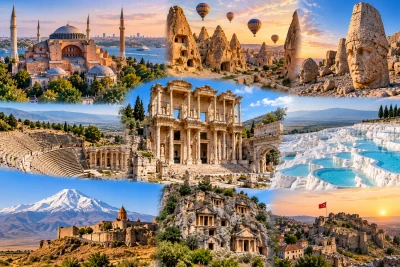
Historical Sites of Turkey on the UNESCO World Heritage List
Read more
04-09-2026
Culture and History Guide
Turkey's Most Impressive Museums
Read more
04-09-2026
Culture and History Guide
Most Important Destinations for Faith Tourism in Turkey
Read more
04-09-2026
Culture and History Guide
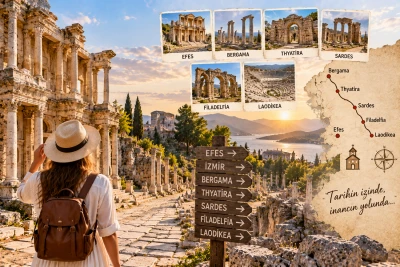
The Seven Churches Route in Turkey
Read more
04-09-2026
Culture and History Guide
30 Must-Visit Historical Cities in Europe: The Continent's Most Beautiful Cultural Routes
Read more
04-09-2026
Culture and History Guide
Top 15 Best Countries for a Cultural Tour Abroad
Read more
Couldn't find what you were looking for?
Reach out on WhatsApp for a tailored plan — we're here for you 24/7.
Contact us on WhatsApp
Home
Discover
Tour Calendar
Loading...
Loading...
View details
Make Reservation